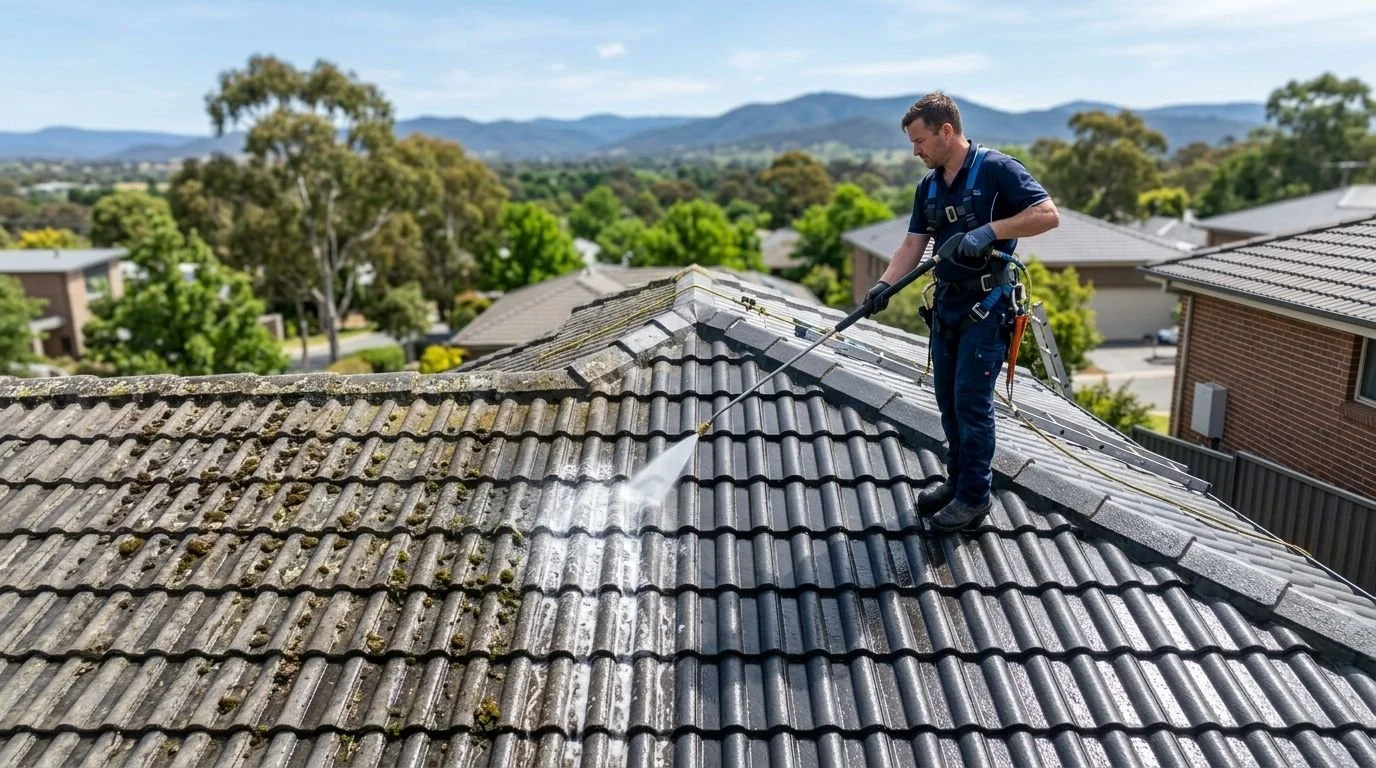
Best roof cleaning methods compared for Canberra homes 2026

Best overall for Canberra roofs in 2026: soft washing. Best for heavy moss on concrete tile: high-pressure washing, used with caution. Best budget option: DIY zinc or chlorine spray. Best for heritage terracotta: steam. Best for one stubborn patch: manual scraping.

  • Soft washing kills moss spores without cracking most tile and Colorbond

  • High pressure strips moss fastest and can crack old concrete tile or void a coating warranty

  • Steam suits heritage terracotta where chemical run-off is tight

  • DIY spray is cheapest and does not physically remove buildup — it waits on rain

  • Scraping is for one patch, not a whole roof

Why this matters

Canberra frost and shaded southern pitches hold moisture. That is what moss and lichen want. The wrong method can crack old terracotta, strip Colorbond, or send run-off into stormwater.

Clear Jet is on roofs across the ACT every week. Pressure or soft wash is not “whatever gear is on the truck.” It is material, age, and how bad the growth is.

What a method has to clear

  • Material — terracotta, concrete tile, Colorbond

  • Run-off into ACT drains and garden beds

  • Spores vs only the visible layer

  • Cracked tiles, stripped glaze, lifted coatings

  • How long before it comes back

  • Time to do the whole roof

At a glance

Soft washing — tile and Colorbond with algae or lichen. Kills spores, low pressure. Result builds over a day or two.

High-pressure washing — heavy moss on concrete tile. Fastest strip. Can crack tiles or strip a coating.

Steam — heritage terracotta, chemical-restricted sites. No chemical run-off. Slower. Fewer operators.

DIY zinc or chlorine spray — light stain, tight budget. Cheapest. No physical removal. Rain-dependent. Run-off risk.

Manual scraping — one or two patches. No gear cost. Labour, fall risk, spores stay.

1. Soft washing — default for tile and Colorbond

Low pressure plus a biodegradable treatment that kills moss, lichen and black algae at the root. That is what Clear Jet uses on most Canberra houses. Aged terracotta and painted Colorbond keep their coating.

Pros: no crack risk on aged tile, slower regrowth, Colorbond warranties stay intact, gentler on gutters and beds.
Cons: not instant, needs a retreatment cycle, less “wow” than a blast.

Best for: homeowners who want the growth gone without gambling the roof.

2. High-pressure washing — heavy moss, newer concrete tile

A strong jet strips the mat off. Fastest visual change. Not for every roof.

Pros: instant, thick moss, newer concrete tile that is rated for it.
Cons: cracks old or heritage terracotta, strips paint and glaze, does not kill spores so it often returns faster.

Skip on terracotta and heritage. Confirm the material before anyone books a blast.

3. Steam — heritage terracotta

High-temp steam instead of chemicals and high pressure. Niche in Canberra. Right when the listing or the run-off rules say no chemistry.

Pros: no chemical run-off, gentle on old terracotta.
Cons: slow across a full roof, weaker on thick mats, fewer ACT operators.

If a cleaner reaches for a pressure washer before asking what the tiles are, that is the wrong call on terracotta.

4. DIY spray — light stain only

Dilute zinc or chlorine, leave it, wait for rain. Fine for a light film. Useless on established moss.

Pros: cheapest, no hire.
Cons: no physical removal, rain decides it, beds and drains take the run-off, weeks to show.

5. Scraping — one patch

Hand or a soft brush. No gear. Does not scale.

Pros: precise, no chemical or water hit.
Cons: slow, fall risk without a harness, spores stay.

GET A FREE QUOTE
https://www.clearjet.com.au/#quote

Which to pick

Most Canberra tile and Colorbond: soft wash. Heritage terracotta with run-off limits: steam. One small patch: scrape. Newer concrete tile with a heavy mat: high pressure only after the material is confirmed.

FAQ

Best method in 2026?
Soft washing for most tile and Colorbond.

Is high pressure bad for tiles?
It can crack old terracotta and strip Colorbond. Newer concrete tile only, and only if it is rated for it.

How much does professional roof cleaning cost?
Size, pitch and how bad the growth is. Quote first — no flat rate here.

How often?
South pitches stay wet and grow faster. A soft-wash cycle lasts longer than one blast.

Safe on Colorbond?
Soft wash yes. High pressure can strip the factory coat.

Can I DIY?
Light stain, spray. Established moss plus a ladder is a fall risk.

Stormwater?
Untreated spray and blast water can enter drains. Soft wash and steam are gentler.

Soft wash vs pressure?
Soft wash = low pressure + spore kill. Pressure = water only. Soft wash is gentler and lasts longer. Pressure is faster and riskier on old roofs.

One last thing

The shaded side — usually south in Canberra — comes back first, whatever method you used. If the quote does not mention aspect, ask before the work is booked.

GET A FREE QUOTE
https://www.clearjet.com.au/#quote
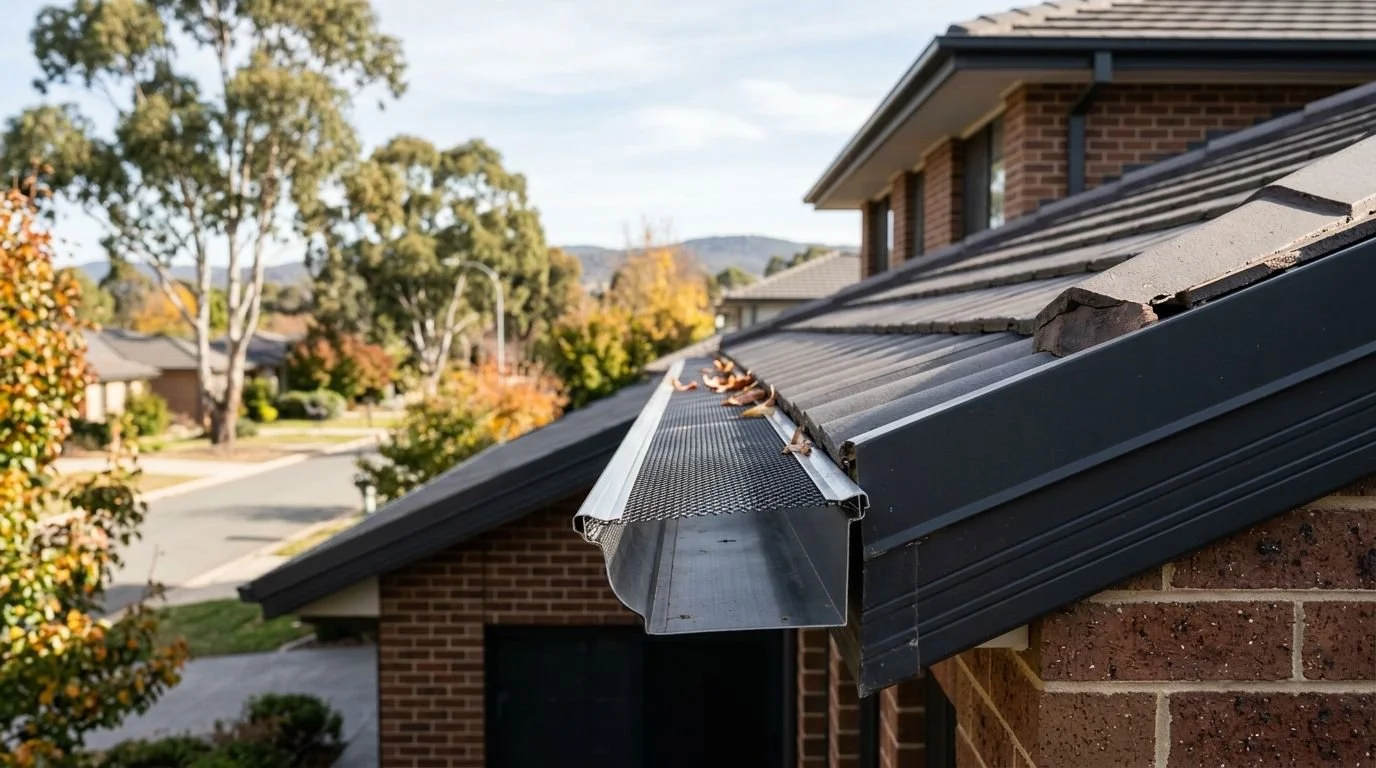
Best gutter guards to cut cleaning frequency in Canberra 2026

Best overall: micro-mesh aluminium. Best for heavy leaf-fall streets: reverse-curve (surface tension). Best for bushfire-prone blocks: perforated aluminium. Best budget: PVC brush.

If you are still on a ladder every few months scooping wet leaves, the guard is wrong — or there isn’t one. This ranks the five types sold and fitted across Canberra and the ACT in 2026, which one actually cuts cleans for your street, and where a guard is not enough on its own.

  • Micro-mesh aluminium is the default for most ACT roofs

  • Reverse-curve wins on tree streets with heavy autumn drop — nothing for leaves to sit on

  • Perforated aluminium suits higher BAL properties under AS 3959

  • PVC brush is the cheap retrofit; bristles flatten

  • No guard kills the annual check. A clean roofline before install makes any guard work better

Why this matters

Gums, pines and deciduous street trees fill ACT gutters fast. Frost then a dump of rain turns a block into overflow on fascias and render. Guards do not end maintenance. They change how often you climb and what happens if you skip a season.

Wrong type for the roof, the trees or the BAL and you pay for something that clogs like a bare gutter.

Before anything clips on, clean the edge. Moss, lichen and grit on the roof will sit under a new guard from day one. That is the job Clear Jet does — pressure clean the roofline, then you or a gutter fitter put the guard on a clean edge.

What actually matters

  • Aperture — finer mesh stops more junk, needs a brush-off on top

  • Material — aluminium and steel outlast PVC and foam

  • Bushfire — non-combustible mesh in higher BAL zones

  • Real interval between checks, not the brochure

  • Clip-in vs a full edge system

  • Quad, half-round and box do not all take the same guard

At a glance

Micro-mesh aluminium — overall control. Fine mesh. Occasional brush-off on top.
Reverse curve — heavy leaf streets. No holes. Weaker in very light rain.
Perforated aluminium/steel — bushfire blocks. Ember-resistant. Ash still builds.
PVC brush — narrow gutters, quick fit. Bristles flatten in a couple of years.
Foam — DIY wedge. UV kills it first. Can hold moisture and grow moss.

1. Micro-mesh aluminium

Clips over the gutter. Fine weave blocks leaves, gum nuts and needles and still lets water through. Closest to set-and-forget on a typical Canberra roof. Aluminium does not rust like old steel mesh.

Pros: almost everything except dust and pollen; handles frost-to-heat; Colorbond, tile, most profiles.
Cons: dearer than brush or foam; proper fascia seal wants a fitter; wipe after a big wind.

Best for: gums or pines and the longest gap between checks.

2. Reverse curve

No holes. Water follows the curve in; leaves slide off the front.

Pros: nothing to clog; heavy autumn drop; low maintenance once pitched right.
Cons: needs the right pitch and profile; weaker in drizzle; changes the look of the edge.

Best for: tree streets — Yarralumla, Aranda, anything with a heavy deciduous dump.

3. Perforated metal — bushfire

Small holes in a non-combustible sheet. In higher BAL zones this is the style that stops embers sitting in the gutter, in line with AS 3959.

Pros: non-combustible; rigid under leaf load; long life on tile and metal.
Cons: ash still builds; heavier to fit; overkill outside mapped zones.

Best for: rural-fringe ACT in a mapped BAL. Otherwise micro-mesh is enough.

4. PVC brush

Bristle strip in the channel. Water under, leaves on top. Fastest DIY fit on narrow old gutters.

Pros: cheap, no specialist tools, odd profiles.
Cons: seeds lodge; bristles flatten; you still pull it out and shake it.

Best for: a renter or a short stay. Not the long-term system.

5. Foam

Open-cell wedge. Water through, leaves on top. No clips.

Pros: any shape, cheapest, no fitter.
Cons: UV wrecks it; holds moisture; moss on top; replace, don’t just clean.

Best for: a stopgap. Skip if you want it to last.

If you are still on the ladder every three months, the guard is not doing the job.

Which one

Most Canberra homes: micro-mesh aluminium. Heavy deciduous canopy: reverse curve. Mapped BAL: perforated non-combustible. Brush and foam: short-term or rental only.

GET A FREE QUOTE
https://www.clearjet.com.au/#quote
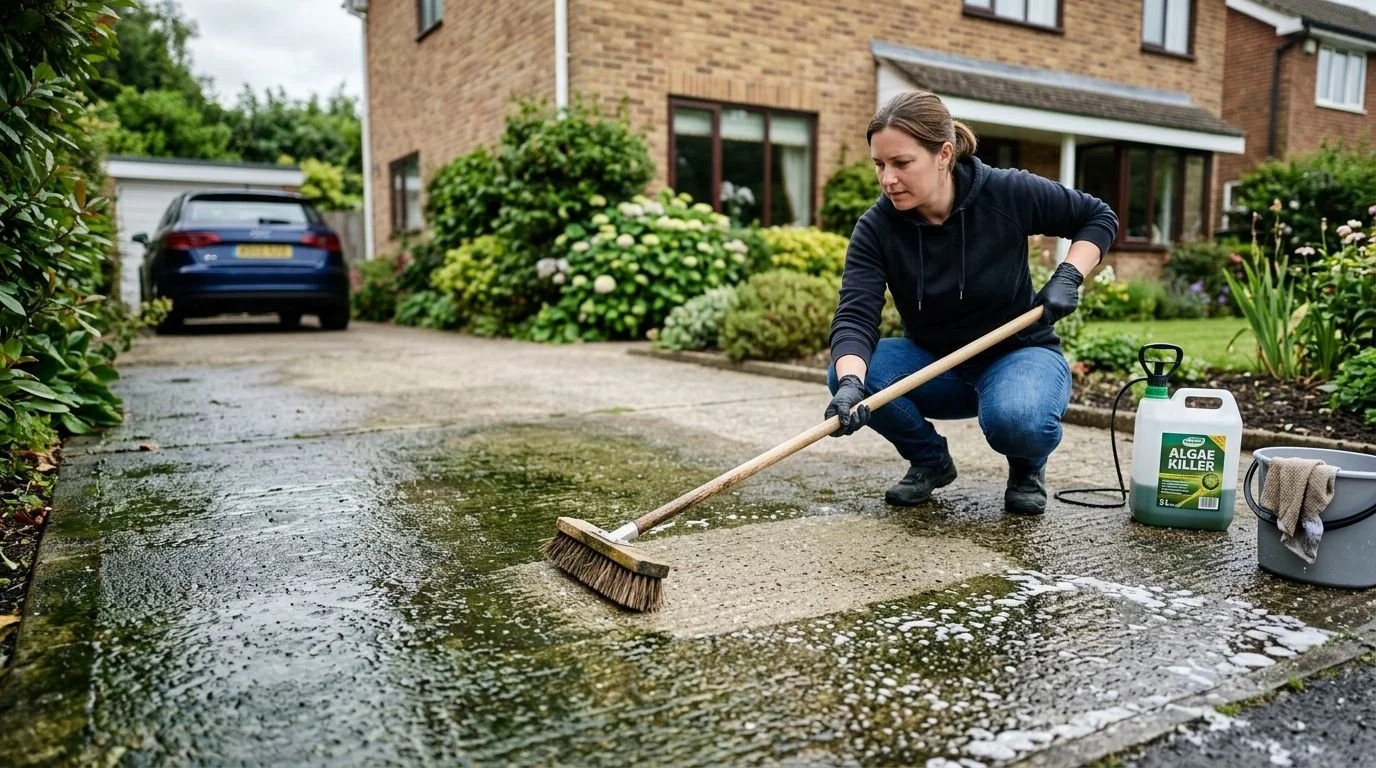
(Roof and gutter clean before the guard goes on — we do not sell the guard.)

FAQ

Best overall in 2026?
Micro-mesh aluminium for mixed gum, pine and seed. Reverse curve where deciduous drop is the whole problem.

Do guards end cleaning?
No. They cut how often. Still do an annual check.

Required in bushfire zones?
Higher BAL expects non-combustible, small-aperture mesh under AS 3959. Perforated aluminium or steel.

Reverse curve vs micro-mesh?
No holes vs mixed debris. Pick from the trees on your street.

Foam worth it?
Cheapest DIY. Dies first in the sun. Short-term.

Quad and half-round?
Most mesh and brush adapt. Reverse curve is fussy about pitch and shape.

Clean first?
Yes. Grime under a new guard is there for good. Clean roofline, then fit.

One last thing

The bit most comparisons skip is the roof under the guard. Moss and lichen shed grit into the gutter all year. No guard on this list filters that. It only slows the leaves. Clean roof before install, then a periodic check, is what actually stretches the years between a full gutter clear.

GET A FREE QUOTE
https://www.clearjet.com.au/#quote
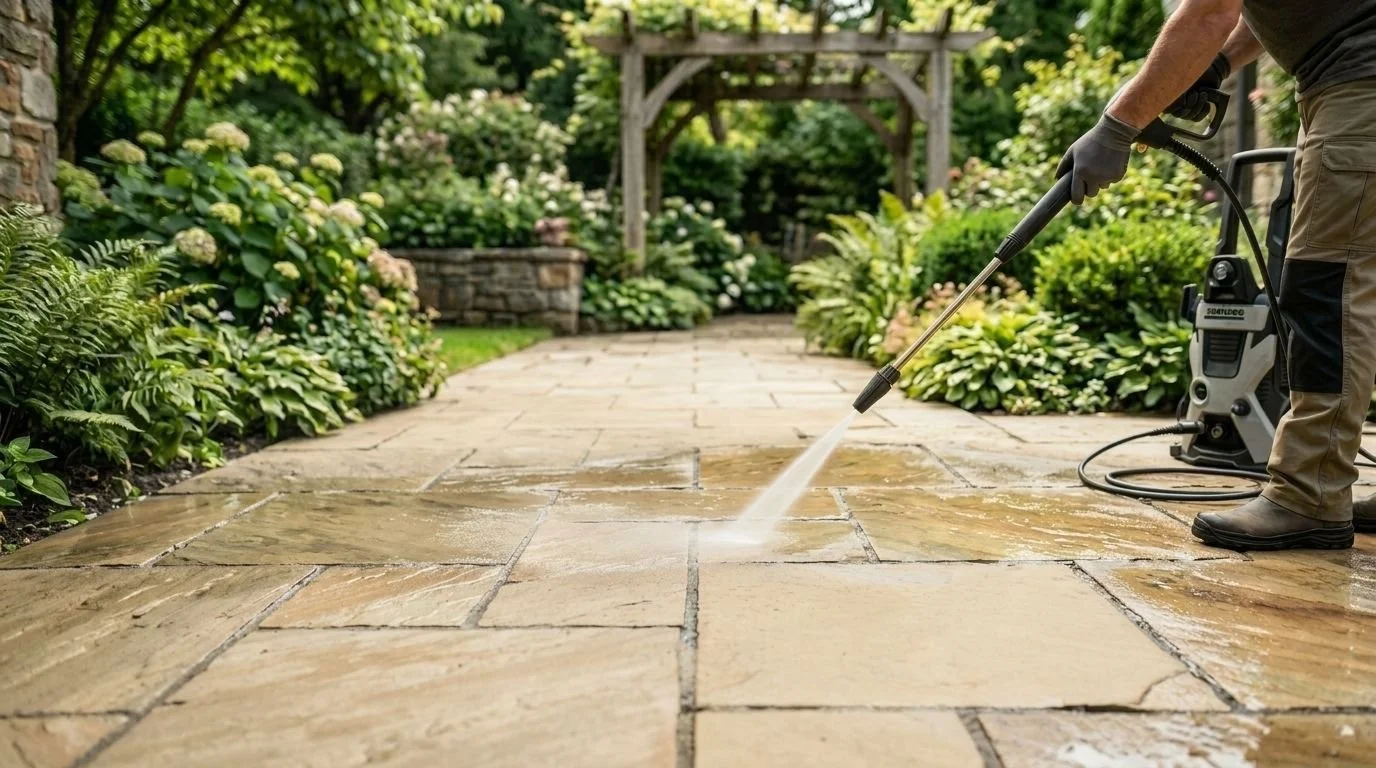
How do you remove algae from a driveway without pressure washing?

You can strip light algae off a driveway without a pressure washer: diluted bleach or vinegar, a stiff broom, and two or three passes over one to two weeks.

DIY only lifts surface growth. On porous or unsealed concrete it is often back in six to eight weeks unless you seal the face or book a professional clean.

  • Diluted bleach (1 part bleach to 3 parts water) kills algae without a washer, but needs two or three treatments

  • White vinegar is the gentler, pet-friendlier option on a light film

  • Commercial biocide sprays need no scrub and take two to four weeks to clear

  • Unsealed concrete regrows fast — sealing after a clean is what slows it

  • Clear Jet is the faster reset when DIY stops keeping up across Canberra and the ACT

Why this matters

Canberra’s cool, damp shoulder seasons are what algae wants: shade, moisture, a rough face to grip. A driveway under trees or on a south slope grows it back faster than a full-sun slab, no matter how hard you scrub.

DIY is fine on light growth and better when you have pets, beds or a drain nearby. The cost is time. A pressure clean lifts the same growth in one pass. Manual methods need patience and another look within a month.

Three methods without a machine

Pick by how thick the growth is and what sits next to the concrete.

Diluted bleach — heavy, established algae. Stiff broom. Same day, again in seven days.
White vinegar — light film, pets and plants. Light scrub. Same day, again in five to seven days.
Commercial biocide — large drive, low effort. No scrub. Two to four weeks to clear.

Steps that stay the same

  1. Sweep leaves and grit. Algae feeds on what sits under it.

  2. Spray in sections, not the whole drive at once.

  3. Dwell 15–20 minutes for bleach or vinegar, or the full label time on a biocide.

  4. Scrub with a stiff broom along the grain, not in circles.

  5. Rinse with a hose. Household water is far weaker than a washer, so rinse longer.

  6. Repeat in five to seven days if green or black is still there.

Bleach

One part household bleach to three parts water, pump sprayer. Fast on spores. It will bleach lawn, borders and coloured pavers if it runs. Best on a heavy drive with no beds tight to the edge. Skip it near veg or a septic.

Vinegar

Undiluted white vinegar. Slower on thick growth. Usually a second pass in a week. Won’t knock plants or coloured concrete the way bleach can. Weak on months-old growth — plan on three treatments.

Biocide

Sits and works. Rain and time over two to four weeks. Good when you will not scrub. Heavy growth may need a second coat.

Why it comes back

  • Trees and shade keep the slab damp

  • South faces dry slower in Canberra

  • Low spots that pond after rain

  • Porous, unsealed concrete — spores root in the face

  • Leaves and clippings left on the slab

  • Sand joints on pavers hold water longer than a solid slab

When DIY cannot hold it, a pressure clean resets the pores before you reseal. That is the job Clear Jet does on driveways, pavers and roofs across Canberra and the ACT.

GET A FREE QUOTE
https://www.clearjet.com.au/#quote
Does vinegar last?
No single pass is permanent. Kill the film, then treat again until it stays clear for two weeks. After that it is seasonal maintenance.

Is bleach safe on the drive?
Diluted 1:3 is fine on bare concrete. Not on anything green beside it. Keep run-off off stormwater. Rinse after you scrub.

DIY vs a pressure clean
DIY often holds two to three months. A professional clean plus a sealer often holds longer because the wash reaches the pores where spores live.

FAQ

How do you do it without a washer?
Bleach 1:3 or vinegar, dwell 15–20 minutes, stiff broom, rinse. Repeat every five to seven days until it stays clear for two weeks.

What kills it more naturally?
White vinegar. Slower than bleach. Two or three passes on thick growth.

Baking soda?
Small spots only. Not a whole driveway.

How often?
Shaded or south sections every two to three months in the damp months. Less on full sun.

Can untreated algae damage the drive?
It gets slippery and holds moisture that chews the face over Canberra winters.

Is a pressure clean better?
For recurring, heavy growth, yes. It reaches deeper than a broom.

Fastest no-machine method?
Diluted bleach and a stiff broom, same day.

One last thing

Most people treat the algae and skip the sealer, then watch it return in two months. Sealing after a clean — DIY or professional — is what closes the pores. Treatment alone only resets the clock.

GET A FREE QUOTE
https://www.clearjet.com.au/#quote
Is pressure cleaning effective on sandstone pavers?

Pressure cleaning is effective on sandstone pavers, but only in a tight PSI range. Use a concrete-rated washer and you can strip the face, widen joints and pit the stone in one pass.

Sandstone is softer and more porous than concrete or granite. Method matters more than the machine.

  • Under about 2000 PSI with a wide fan tip is the safe clean

  • Above 3000 PSI strips the face and opens joints

  • Seal after a clean so it does not restain as fast — most sealers last two to three years

  • Clear Jet uses low-pressure, surface-cleaner methods on sandstone jobs across Canberra and the ACT

Why this matters

Sandstone is compressed sand held with natural cement. That is why it looks warm on a driveway or pool surround, and why it cannot take the same hit as a concrete slab.

A driveway-rated washer at the wrong angle or distance does not just clean it. It erodes it. Soft-wash first, low-pressure rinse second — not one high-pressure blast.

Does it work?

Yes, when the method matches the stone. PSI, nozzle angle and hold distance decide it. Raw power does not.

Soft wash / chemical pre-treat — under 1000 PSI. Lifts moss, algae and surface grime. Routine annual clean.

Low-pressure rinse, wide fan tip — 1000–2000 PSI. Safe rinse, little wear. Standard sandstone clean.

Rotary surface cleaner — 2000–3000 PSI. Faster. Risk of pitting on soft or old stone. Experienced operator only.

Concrete-rated wash — 3000 PSI and up. Strips the face, opens joints. Skip on sandstone.

The safe range sits well below a typical concrete job. That is the usual DIY miss: rent a concrete machine, point it at pavers.

Under 2000 PSI

A 25–40 degree fan tip, held at a steady distance, under 2000 PSI, lifts dirt, moss and growth without cutting the stone. That is the range Clear Jet uses on residential sandstone, often after a chemical soft wash so algae and lichen break down before water hits the face.

It is slower than a concrete clean. The face keeps its texture and colour instead of looking scoured.

Over 3000 PSI

Water beats the stone’s binding cement. You get pitting, exposed grains and joints that fail before the pavers. That does not buff out. You replace the damaged stones.

Hire-store washers built for concrete, run at full tilt for an afternoon, are how most of those jobs look.

Why results vary

  • Age and porosity — old stone soaks more and needs a longer chemical dwell

  • Sealed or not — sealed stone cleans faster; unsealed soaks oil, tannin and rust

  • Stain type — moss and algae take a soft wash; oil and rust need chemistry, not more pressure

  • Joints — sand joints wash out sooner than mortar

  • Shade and damp — under trees, algae comes back faster

  • Drainage — pooling water stains and erodes even after a good clean

If the fan tip is under 25 degrees or the gauge is over 2000 PSI, you are treating sandstone like concrete. It is not.

Once the pavers are clean, a breathable penetrating sealer made for natural stone — not a film sealer for concrete — keeps water and the next stain from sitting as deep. Most Canberra sealers need another coat every two to three years, sooner on hot, high-traffic faces.

GET A FREE QUOTE
https://www.clearjet.com.au/#quote

Can pressure washing damage sandstone?
Yes, above about 3000 PSI or with the nozzle too close. Pitting, exposed grains, collapsed joints. Replacement, not a polish.

How often?
Most Canberra sandstone holds an annual low-pressure clean. Shaded or damp spots need the soft-wash step more often. Sealed stone stretches the gap.

Do you have to seal after?
Not required. Unsealed stone restains in months. Sealed stone holds a couple of years. Reseal when water stops beading.

Can you DIY?
Yes if the washer actually goes down to 1000–2000 PSI with a wide fan and you keep even passes. A concrete-rated hire unit that will not turn down is how faces get pitted.

FAQ

Is pressure cleaning effective on sandstone pavers?
Yes under about 2000 PSI with a wide fan tip. Above 3000 PSI it strips and opens joints.

What PSI is safe?
Under 2000 PSI, 25–40 degree tip, steady distance.

Does it remove all stains?
Dirt, moss, algae — yes. Oil and rust usually need a chemical pre-treat. Safe PSI alone will not lift embedded stains.

Better than acid?
Low-pressure soft wash is safer. Acid can etch and shift colour.

How much does it cost in Canberra?
Area, stain and whether you seal change the job. Quote first — no flat rate on this site.

Will it get moss off?
Soft wash under 1000 PSI plus a moss treatment, without chewing the stone.

Seal after every clean?
No. Reseal when water stops beading, about every two to three years.

One last thing

The pavers are rarely first to fail. Sand joints wash out at a lower PSI than the stone. A driveway that looks fine on the face can already be losing support. Check joint fill after every clean. Top up sand joints before the stones start to rock.

GET A FREE QUOTE
https://www.clearjet.com.au/#quote

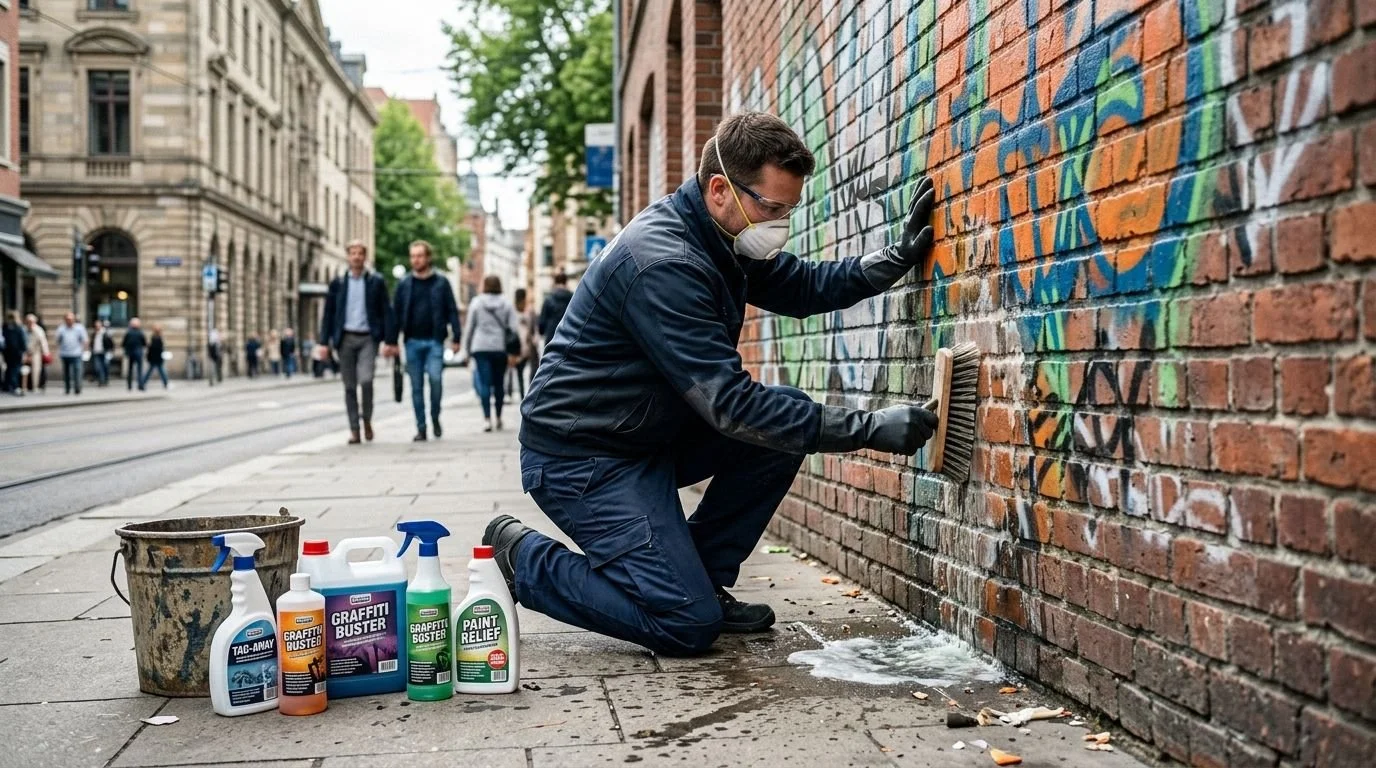
Best graffiti removal products compared in 2026

Graffiti removal in Canberra comes down to one decision: which product or method lifts spray paint, marker and ink off the surface without damaging what is underneath.

This guide ranks six approaches that work in 2026, from DIY sprays and gels to professional pressure cleaning, so you pick the right one the first time instead of scrubbing a stain deeper into the render.

Best overall: professional pressure cleaning through a service like Clear Jet. That covers the widest range of Canberra surfaces without stripping paint, etching sandstone or sending run-off into stormwater.

  • Best for DIY metal and glass: solvent-based gel remover

  • Best for sites near waterways: citrus-based biodegradable remover

  • Best for large commercial walls: hot-water pressure washing

  • Best budget option: all-purpose degreaser and a stiff brush

  • Best for repeat-offender sites: anti-graffiti protective coating

Why this matters

A gel that lifts paint off Colorbond can eat sandstone or leave a pale patch on painted render. Chemical run-off into stormwater is regulated in the ACT. You cannot tip every solvent down the gutter.

Surface, age of the paint, and how often the spot is re-tagged change which method makes sense. Get that wrong and you either waste product or pay to fix the “fix.”

What makes a method work

  • Surface compatibility — render, sandstone, Colorbond and glass do not take the same solvent

  • Paint chemistry — enamel, acrylic and marker need different breakdown

  • Stormwater rules — disposal is regulated on driveways and footpaths in the ACT

  • Damage risk — etching, fading or a pressure setting that is too hard

  • Turnaround — how fast it lifts versus how many passes it needs

  • Repeat cost — remove once, or coat so the next tag wipes off

At a glance

Professional pressure cleaning — brick, render, sandstone, heritage. Pressure and heat matched to the surface. Needs a booking.

Solvent gel — spray paint on metal and glass. Clings on vertical faces. Fumes, ventilation required.

Citrus biodegradable remover — sites near waterways. Slower. Often two or three applications on cured paint.

Hot-water pressure systems — large commercial walls and underpasses. Needs commercial gear.

Degreaser and brush — small fresh tags, budget DIY. Only works on fresh, unsealed paint.

Anti-graffiti coating — repeat-offender walls. Future tags wipe off. Does not remove what is already there.

1. Professional pressure cleaning — brick, render and sandstone

Canberra has a lot of exposed brick, painted render and sandstone. Those surfaces punish the wrong chemical and the wrong pressure.

Clear Jet matches water pressure and temperature to the surface and captures run-off so it does not go into stormwater.

Pros

  • No etching or bleach risk on porous surfaces when pressure and heat are matched

  • Brick, render, fence, pavers in one visit

  • Wastewater handled under ACT rules

  • Works on fresh tags and paint that has sat for weeks

Cons

  • Costs more than a hardware-store can

  • Needs a booking, not a same-hour DIY fix

  • Overkill for one tiny tag you can scrub yourself

Best for: brick, render, sandstone and heritage work where damage risk beats a cheap can.

GET A FREE QUOTE
https://www.clearjet.com.au/#quote

2. Solvent-based gel — metal and glass

Gels cling to Colorbond, garage doors, signage and glass. They dissolve acrylic and enamel instead of running off the face.

Pros: fast on small jobs, no pump needed.
Cons: fumes, gloves, ventilation. Some powder-coat can discolour. Do not rinse untreated into ACT stormwater.

Best for: letterboxes, fences, signs, isolated non-porous jobs.

3. Citrus biodegradable remover — near waterways

D-limonene citrus solvents carry a lower chemical load than industrial strippers. Better when the block backs onto a creek or the run-off path is short.

Pros: lower toxicity, gardens and pets, works on some porous and non-porous faces.
Cons: slower dwell, cured tags often need two or three passes, dearer per litre.

Best for: waterway-adjacent homes.

4. Hot-water pressure systems — large commercial walls

Commercial hot-water units strip large masonry and concrete faster than a gel. That is what councils use on underpasses and precinct walls.

Pros: area per hour, aged or multi-layer tags, pairs with a citrus pre-treat.
Cons: gear cost and weight. Needs an operator who will not scar the face.

Best for: commercial walls, underpasses, long fence lines. Skip for one house tag.

5. Degreaser and brush — small fresh tags

A shed degreaser and a stiff brush will lift fresh, unsealed spray off smooth timber or a bin if you catch it within a day or two.

Pros: cheapest, already in the shed.
Cons: dead on paint older than a couple of days. No use on brick or render. Scrubbing wears paint.

Best for: same-day tags on smooth, non-porous faces. Skip anything older than 48 hours or on brick.

6. Anti-graffiti coating — sites that get hit again

A sacrificial or permanent coat over a wall that is tagged more than once means the next spray wipes off with water.

Pros: cuts the next removal, protects heritage faces from another chemical round.
Cons: does not remove what is already there. Needs a clean first. Reapply every few years.

Best for: walls and fences tagged more than once.

How to choose

For most Canberra brick, render, sandstone or heritage faces, professional pressure cleaning is the default in 2026. Keep a solvent gel for fresh metal or glass between visits. Use citrus if you back onto a waterway. Coat the wall once it has been hit twice.

FAQ

What is safest on brick and render?
Professional pressure cleaning. One solvent on every face is how render gets bleached.

Is pressure washing safe on sandstone?
Yes when pressure and temperature are matched to the stone. Untrained high pressure can pit it.

Can I do it with household products?
Degreaser and a brush will lift fresh spray off smooth non-porous faces within a day or two. Not cured paint. Not brick or render.

Do coatings stop taggers?
No. They make the next tag wipe off. Worth it after the second hit.

Can I rinse chemical remover into ACT stormwater?
Untreated solvent run-off on driveways and paths is not compliant. A professional job captures the water.

How long does a coating last?
Usually a few years, depending on sun and surface. It does not remove graffiti already on the wall.

Solvent gel vs citrus?
Gels are faster on metal and glass, stronger fumes, tighter disposal rules. Citrus is milder and slower on cured paint.

How much does professional graffiti removal cost in Canberra?
It depends on area, surface and how long the paint has sat. Quote first — no flat rate on this site.

One last thing

Speed beats product choice. Paint left on a sun wall for more than a couple of days starts curing into the face. After weeks, book the clean. A gel is more likely to smear it than lift it.

GET A FREE QUOTE
https://www.clearjet.com.au/#quote